Estonia is introducing genetic risk assessment into its national breast cancer screening programme, believed to be the first country in the world to integrate polygenic risk scores into a nationwide cancer screening programme. Instead of relying solely on age, the new approach will use individual genetic risk to identify women who could benefit from earlier mammography. The nationwide programme will launch this November, targeting women turning 40 this year. Personalised screening uses Antegenes’ AnteBC genetic risk test for breast cancer.
Traditionally, breast cancer screening programmes worldwide have relied primarily on age to determine eligibility. In Estonia, as in many European countries, women are routinely invited for mammography from the age of 50. However, breast cancer risk can vary significantly between women of the same age, meaning that some may face elevated risk years before becoming eligible for routine screening.
Estonia’s new approach addresses this gap by incorporating polygenic risk scores (PRS) into its national breast cancer prevention programme. While genetic testing has long been used to identify hereditary cancer syndromes caused by mutations in individual high-risk genes, polygenic risk assessment takes a broader approach. Most people’s genetic predisposition to breast cancer is influenced by the combined effects of numerous genetic variants, each contributing a small amount to the overall risk.
By analysing these variants together, a polygenic risk score can estimate a woman’s genetic predisposition even if she has no known family history of breast cancer. Women whose genetic risk at age 40 is comparable to that of an average 50-year-old can then be offered mammography screening ten years earlier than under the standard programme.
According to Estonia’s Minister of Social Affairs Karmen Joller, the initiative demonstrates how the country can translate its strengths in digital healthcare and genetic research into practical solutions that improve people’s health. “Estonia has invested in genetic research and digital healthcare for decades, and we are now putting these strengths to work to improve cancer prevention. Our ambition is to move towards a healthcare system that can identify risks earlier and offer people preventive care based on their individual needs, rather than relying on one-size-fits-all solutions. We hope Estonia’s experience will also help other countries take similar steps towards personalised healthcare,” said Joller.
Maivi Parv, Member of the Management Board of the Estonian Health Insurance Fund, emphasised the practical benefits of introducing genetic risk assessment into breast cancer screening. “Breast cancer detected at an early stage is usually highly treatable. By assessing genetic risk, we can identify women who should begin screening earlier instead of waiting until they reach the standard screening age. This means we can offer preventive care to those who need it most, at the time when it can make the greatest difference,” said Parv.
From scientific research to nationwide prevention
The programme follows years of scientific research and development in Estonia, including clinical studies exploring how genetic risk assessment can be integrated into routine healthcare.
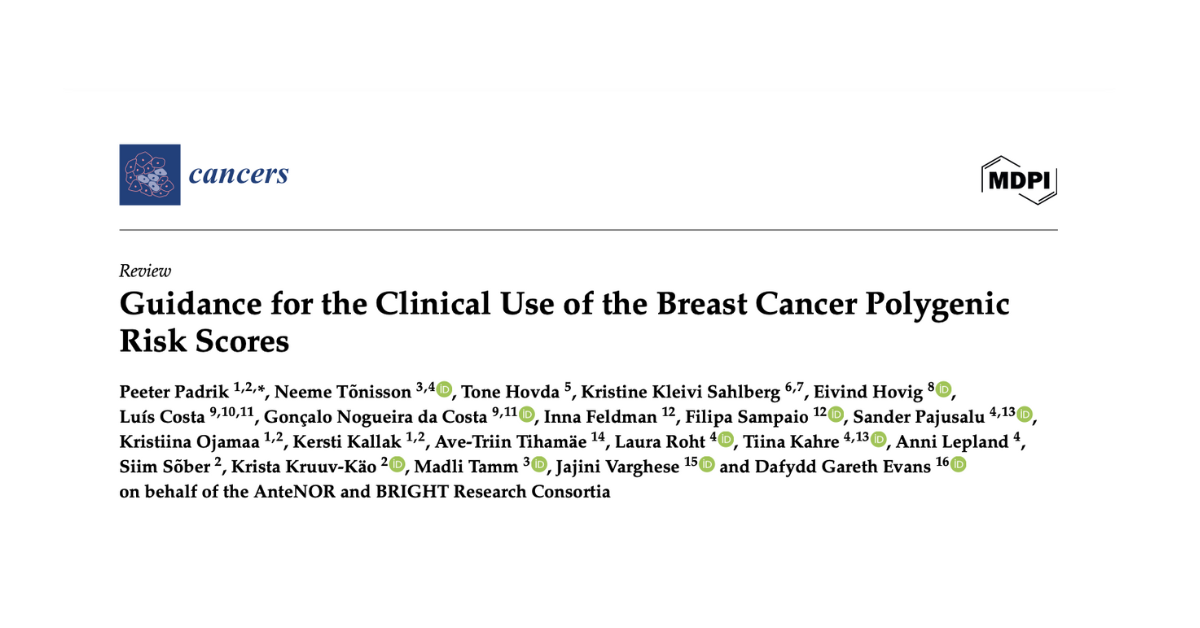
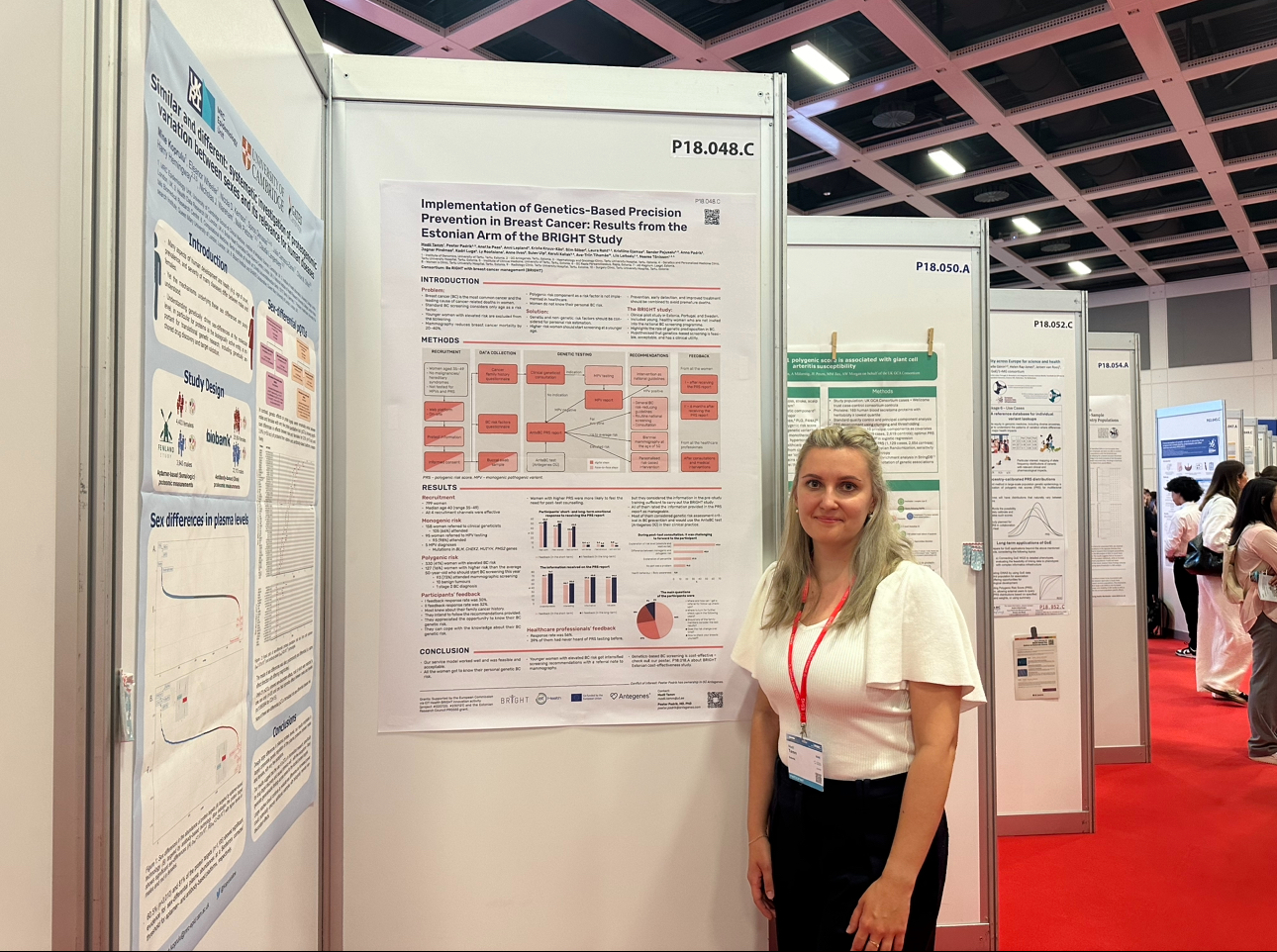
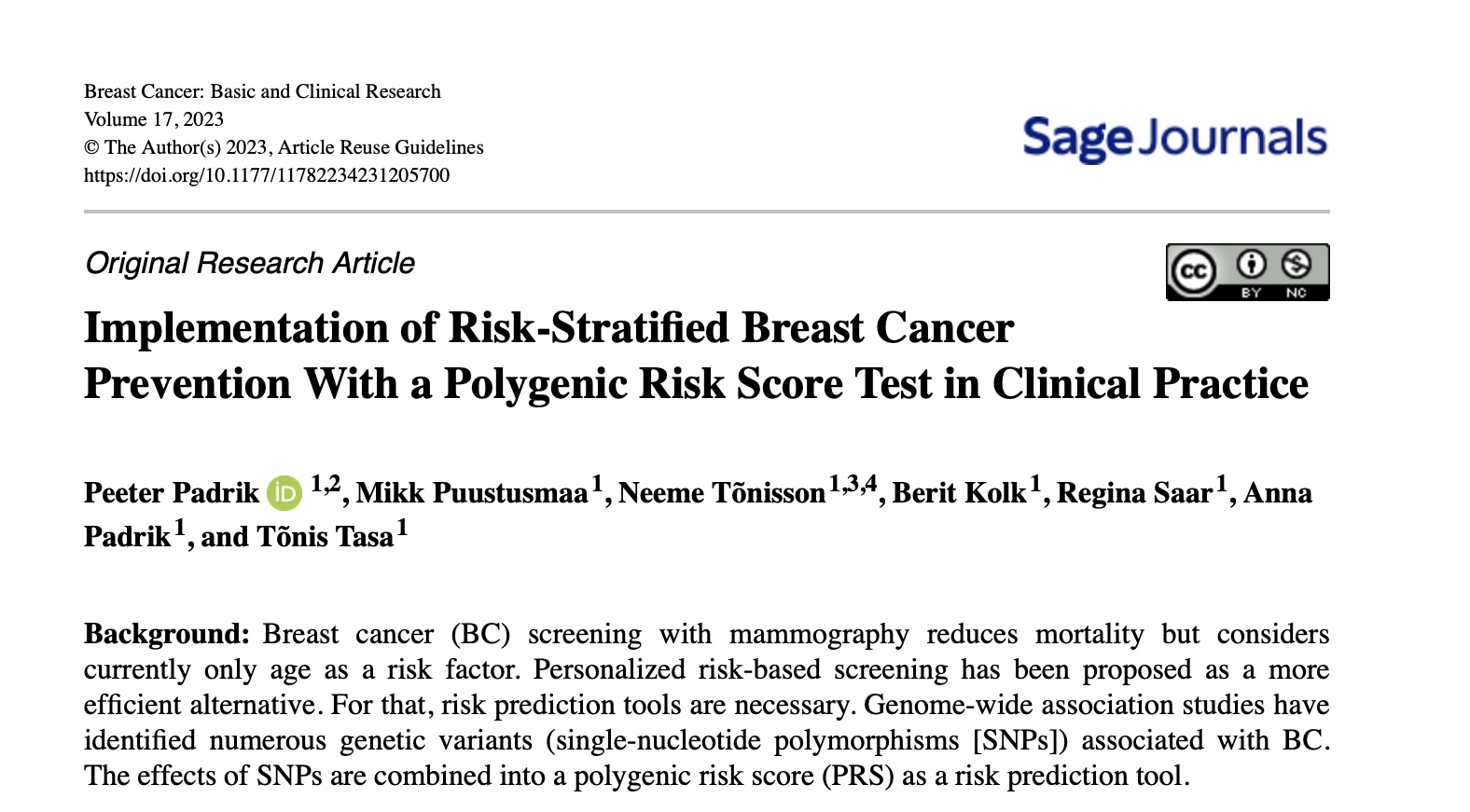
Dr Peeter Padrik, oncologist and Founder and CEO of Estonian health technology company Antegenes, which developed the software used to calculate the polygenic risk scores, emphasises the importance of translating scientific advances into practical prevention. “I have been treating women with breast cancer for more than 30 years, and I still see far too many cases of advanced cancer, unfortunately also among younger women. Treating these cancers is much more difficult than treating the disease when it is detected as early as possible. Genetic risk assessment allows us to identify women who should begin screening earlier than those at average risk,” said Padrik. “At present, most women and their doctors are unaware of their individual risk levels. Polygenic risk scores help turn genetic data into a practical tool for making more precise prevention decisions. Personalised breast cancer screening has been evaluated in major international research projects, including in Estonia, and it is encouraging to see it now becoming part of routine healthcare.”
Rather than limiting genetic risk assessment to selected patients or research participants, Estonia is integrating it into a publicly funded national programme. The experience could provide valuable insights for other countries exploring how to move beyond traditional age-based screening towards more personalised cancer prevention.
The programme has been developed through cooperation between healthcare institutions, researchers, technology providers and government agencies. Its lead clinical partner is Tartu University Hospital, while the polygenic risk assessment technology has been developed by Antegenes. Other partners include the Estonian Health Insurance Fund (EHIF), the Health and Welfare Information Systems Centre (TEHIK), the Estonian Biobank at the University of Tartu, the Cancer Screening Registry of the National Institute for Health Development, and the Ministry of Social Affairs.